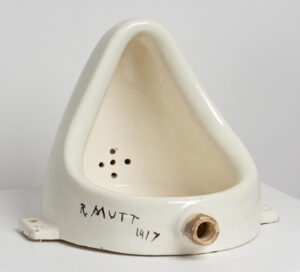
Sono un po’ brillo. Non abbastanza da perdere equilibrio, abbastanza da perdere gerarchie.
Davanti a me un orinatoio bianco, anonimo, leggermente scrostato. Se fossi a New York potrei pensare a Marcel Duchamp. Qui, a Bangkok, l’idea arriva dopo, come un riflesso tardivo. Mentre urino, qualcuno alle mie spalle mi appoggia le mani sulla schiena. Non è sesso. Non è minaccia. È un massaggio breve, competente, quasi gentile.
Sono nel momento più indifeso che esista — eppure non sento pericolo.
Mi giro. Lui sorride. Un sorriso professionale, leggero. Vuole una mancia. Gliela darò.
In quel frammento tutto coincide senza attrito: l’orinatoio, l’arte, Duchamp, l’uomo che massaggia, il denaro, il mio corpo esposto, la città che osserva senza giudicare. Nessun elemento pretende centralità. Nessuno chiede di essere spiegato. E capisco perché mi è venuto in mente Duchamp qui, e non in un museo. Perché la Thailandia non dissacra nulla: non ha bisogno di sacro. Qui l’oggetto è già cosa, il gesto è già funzione, il corpo è già lavoro, cura, transazione, presenza. L’arte occidentale ha dovuto inventarsi l’orinatoio per scendere dal piedistallo. Bangkok ci vive dentro da sempre.
Finisco. Mi lavo le mani. Pago. Esco.
La città respira, indifferente e perfetta, come se nulla fosse accaduto. E infatti, probabilmente, non era accaduto nulla.
25 gennaio
I’m a little tipsy. Not enough to lose my balance, just enough to lose hierarchies.
In front of me, a white urinal—anonymous, slightly chipped. If I were in New York, I might think of Marcel Duchamp. Here, in Bangkok, the thought comes later, like a delayed reflex. While I’m urinating, someone places their hands on my back. It isn’t sex. It isn’t a threat. It’s a brief, competent massage, almost gentle.
I’m in the most defenseless moment there is—and yet I feel no danger.
I turn around. He smiles. A professional, light smile. He wants a tip. I’ll give it to him.
In that fragment everything aligns without friction: the urinal, art, Duchamp, the man giving the massage, money, my exposed body, the city watching without judgment. No element claims centrality. Nothing asks to be explained.
And I understand why Duchamp comes to mind here, and not in a museum. Because Thailand doesn’t desacralize anything: it has no need for the sacred. Here the object is already a thing, the gesture already a function, the body already labor, care, transaction, presence. Western art had to invent the urinal to step down from the pedestal. Bangkok has always lived inside it.
I finish. I wash my hands. I pay. I leave.
The city breathes on, indifferent and perfect, as if nothing had happened. And indeed, probably, nothing had happened.